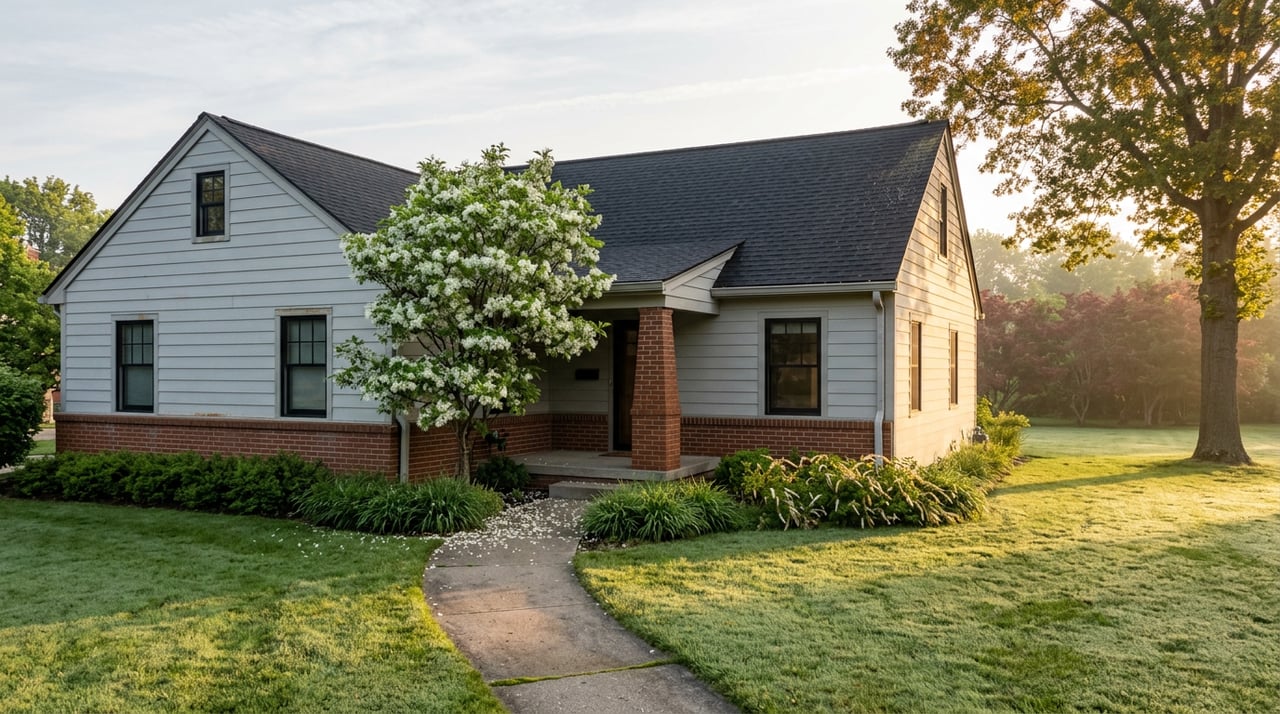
A buyer walks through a Pleasant View listing advertised as a four-bedroom. The layout backs it up: primary suite, two guest rooms, and a finished bonus room over the garage with a closet and a window, exactly what a fourth bedroom should look like. The buyer makes an offer, financing gets underway, and somewhere in the file review a lender or closing attorney asks for the septic permit. It says three bedrooms.
That gap between what a house looks like and what its septic system is legally rated for is not rare in Pleasant View. It is one of the most common surprises buyers run into here, and it rarely shows up until financing or closing is already in motion, which is exactly the wrong time to discover it.
The Permit Is the Ceiling, Not the Floor Plan
Tennessee law is specific about this. Under Tenn. Code Ann. § 47-18-104(b), sellers of homes on a septic system are prohibited from advertising or marketing more bedrooms than the subsurface sewage disposal system permit allows. The room count on a listing sheet has to match the room count the septic system was engineered and permitted for, not the room count a contractor built.
The reason comes down to how septic systems are sized in the first place. A drain field is designed around an estimated daily wastewater flow, and bedrooms are the standard proxy for occupancy used to calculate that flow. In Cheatham County, this isn't a suggestion buried in a code book. The county's own building and codes department requires a subsurface sewage disposal permit before it will issue a building permit at all, and that septic permit has to match the plans as far as bedrooms go. Add a bedroom later without touching the septic permit, and the house now has more bedrooms than its wastewater system is legally rated to handle, whether or not anyone advertises it that way.
For a buyer used to Nashville or a fully sewered suburb, this is an unfamiliar constraint. For anyone shopping in Pleasant View, it is a routine part of due diligence.
Why This Shows Up Here More Than in a Fully Sewered Suburb
Pleasant View has public water. Most of the town gets it through the Pleasant View Utility District, and from the street, a home on PVUD water looks like it has full utility service, the same assumption a buyer would make in Hendersonville or a Nashville subdivision. Sewer service is a different story.
The utility district's own audited financial report shows the gap plainly. As of June 30, 2022, PVUD was servicing 6,298 water customers and 1,832 sewer customers. That means roughly seven out of every ten properties on PVUD water are not on the district's sewer system. They are running their own septic systems, quietly, on lots that look no different from a neighbor's home two doors down that happens to be sewer connected.
This is the detail that changes how a buyer should approach a Pleasant View search. A property's connection to public water tells you almost nothing about whether it is on septic. You have to ask, and you have to ask early, because the answer determines what disclosure paperwork applies, what inspections you need, and whether the bedroom count on the listing can hold up.
The Paperwork Trail Most Buyers Skip Until It's Too Late
Tennessee's Residential Property Disclosure Act requires sellers to disclose the results of any known percolation test or soil absorption rate performed on the property and accepted by the Tennessee Department of Environment and Conservation. Tennessee REALTORS® publish a dedicated form, RF208, specifically for disclosing the subsurface sewage disposal system permit, and that form accounts for situations where the permit cannot be located or was never formally issued, which happens more often than buyers expect on homes built decades ago or expanded piecemeal over the years.
Here's the friction point: a seller who added a bonus room fifteen years ago, finished a basement, or converted a den into a guest room may genuinely not know their septic permit still says three bedrooms. Nobody flagged it at the time because nobody was selling the house. It only becomes a problem when a buyer's lender or attorney pulls the permit and finds a mismatch between the paper and the property.
Waiting until inspection week to find this out puts everyone in a bad spot. The seller may need to disclose a limitation they didn't know existed. The buyer may be financing a home based on a bedroom count the septic system can't legally support without an upgrade. And the timeline for fixing it isn't fast. A new percolation test has to be accepted by TDEC before a permit can be updated, and that review process doesn't move at the speed of a thirty-day closing.
What This Means If You're Buying or Selling in Pleasant View
A few habits make this a non-issue instead of a closing-week scramble:
Pull the septic permit before writing or accepting an offer, not during the inspection period. Cheatham County's building and codes office can point you to the record, and knowing the permitted bedroom count up front changes how you negotiate.
Walk the house and count every room that functions as a bedroom, including converted bonus rooms, finished basements, and additions, then compare that number to what the permit actually allows.
If there's a mismatch, put it on the table early. Price, disclosure language, and repair credits all get easier to negotiate when both sides know the real constraint before an appraisal or underwriter finds it for them.
Get a septic-specific inspection, separate from your general home inspection. Local septic contractors who work Cheatham County property lines, tank locations, and drain field condition regularly, distinct from a generalist home inspector who may only note the system's presence.
Build TDEC review time into your contract timeline if a new percolation test or permit update turns out to be necessary. It is not something a contractor can resolve in a week.
The Infrastructure Backstory Worth Knowing
PVUD's sewer system has been expanding, but slowly and by design. The district financed a multi-million dollar sewer collection and treatment upgrade largely through a USDA Rural Development loan, roughly $3.4 million at 2.375 percent interest over a 40 year term, the kind of financing structure that supports gradual buildout rather than a fast citywide conversion. A rate increase tied to that project was reported by Main Street Media of Tennessee, which quoted the district's general manager on why costs were rising faster than the usual annual adjustment.
The practical takeaway for buyers: don't assume a septic-served home today will be swept onto public sewer anytime soon. Infrastructure financed over four decades moves at a four-decade pace. If you're buying a septic property in Pleasant View, plan around the system you're actually inheriting, not a hypothetical sewer connection that may be years away from reaching that particular street.
A Few Questions Worth Asking Before You Tour
Does every home in Pleasant View use septic? No. Some properties connect to PVUD's sewer system, but sewer customers make up a minority of the district's total connections based on its most recent published audit. Ask specifically rather than assuming public water means public sewer.
Can I legally turn a bonus room into a bedroom? Only if the septic system's permitted capacity supports it. That typically means a new percolation test accepted by TDEC and an updated permit from Cheatham County, not just a contractor finishing the space.
Who actually inspects the septic system during a sale? A licensed septic contractor, separate from your general home inspector. Several local providers work Cheatham County regularly and can locate the tank, check the permit record against the property, and evaluate drain field condition.
What if the seller can't find the original permit? Tennessee's disclosure forms account for that possibility directly. It shifts the responsibility to locate the record before closing rather than removing the legal ceiling the permit represents.
Pleasant View's blend of small-town pace and easy Nashville access keeps drawing buyers who haven't shopped a septic-dependent market before. That's not a reason to hesitate, it's a reason to ask the right question in the first week of your search instead of the last week of your closing. If you're weighing a move here, or trying to figure out what a specific property's septic history actually says about its future, the team at First Class Realty, LLC has walked this exact paperwork with Cheatham County buyers and sellers before and can help you get ahead of it. Search All Homes and let's start with the questions that actually matter for this market.